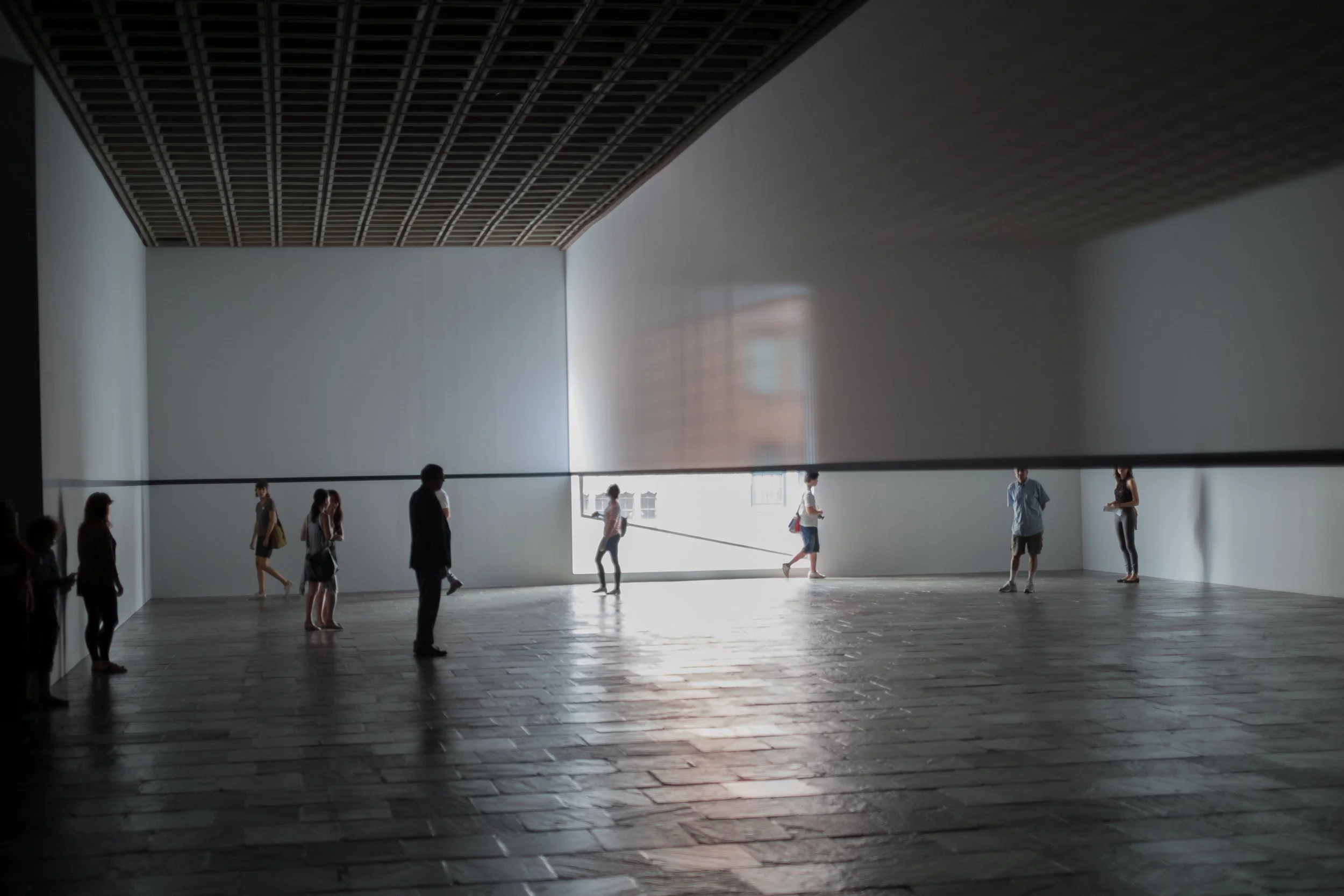
Photo: Robert Irwin: Scrim Veil—Black Rectangle—Natural Light, Whitney Museum Of American Art, New York (1977) June 27–Sept 1, 2013. Photo credit: Mduvekot, CC BY-SA 3.0, via Wikimedia Commons.
SCRIM
Writing at the Edge
In the theater, a scrim is fabric that hides or reveals depending on the light. SCRIM marks my debut as a certified facilitator in the AWA Method (generative, prompt-based writing + strengths-based feedback). In these workshops, we will write from the scrim's edge—the traces, layers, and glimpses of our lived experiences that emerge when we shift our perspective.
The AWA Method honors the reality that we are all writers, we are all born with creative genius, and we all have strong, unique voices. The two-hour format of these sessions includes time for writing, and for hearing and considering the voices of others in the space. You are encouraged—though not required—to read what you write in response to the provided prompts. All writing is kept confidential and treated “as fiction” (we make no assumptions about writers or topics that are written about). Strengths-based feedback to just-written work is reflective of what is striking and resonant in the creative writing.
What to Expect
As the SCRIM facilitator, I offer written & visual prompts, and we then write individually--but in shared virtual space. Typically, these are short, timed writes of varying lengths during a given session.
Though you are never required to read what you've written, reading is definitely encouraged as part of the practice. Everyone is invited to provide positive, affirmative, strengths-focused feedback to other writers.
I am always astonished at the quality and variety of what is generated in these small virtual communities, even within short time spans. All experience levels welcome.
Upcoming SCRIM Workshops
These are standalone workshops: no commitment to multiple weeks is required (but please do join us for multiple sessions if you’re available!)
Sessions are donation-based; no one turned away for lack of funds.
$15 - $25 suggested, but give what you can or attend for free.
Sat Oct 10 | 11:30am-1:30pm ET / 8:30-10:30am PT
Sun Oct 18 | 3-5pm ET / 12-2pm PT
Sat Oct 24 | 11:30am-1:30pm ET / 8:30-10:30am PT
Sun Nov 1 | 3-5pm ET / 12-2pm PT
Sat Nov 7 | 11:30am-1:30pm ET / 8:30-10:30am PT
Sun Nov 15 | 3-5pm ET / 12-2pm PT
Sat Nov 21 | 11:30am-1:30pm ET / 8:30-10:30am PT
Sun Nov 29 | 3-5pm ET / 12-2pm PT
Sat Dec 5 | 11:30am-1:30pm ET / 8:30-10:30am PT
Sun Dec 13 | 3-5pm ET / 12-2pm PT
Sat Dec 19 | 11:30am-1:30pm ET / 8:30-10:30am PT
Sun Dec 27 | 3-5pm ET / 12-2pm PT
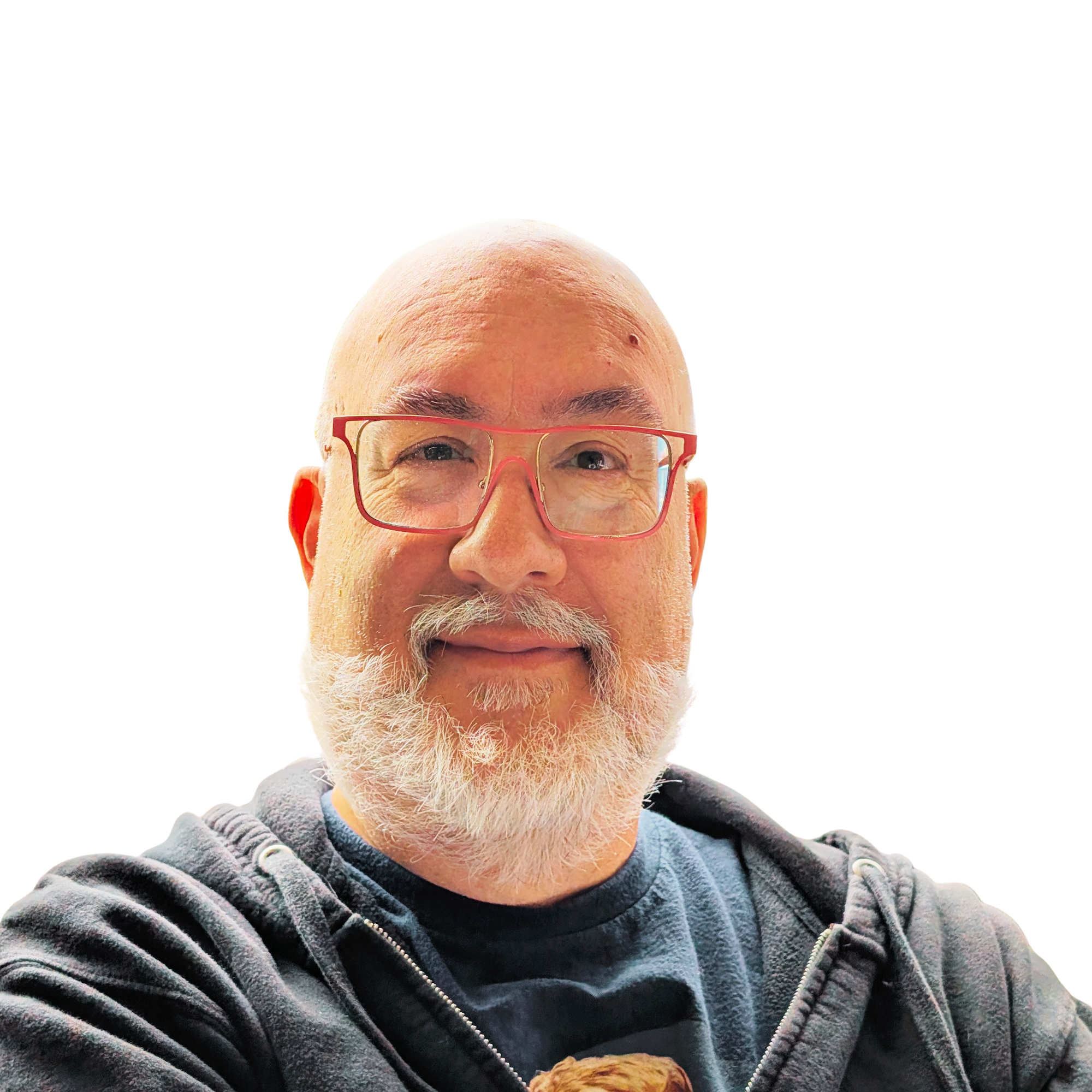
Jeff Donaldson-Forbes (he/him) is a Portland, Oregon-based writing and collage workshop facilitator. He leads Found Materials workshops using collage and writing to transform personal artifacts—photos, letters, objects—into new creative work. As a recent graduate of Portland State University, his thesis recorded a collective oral history of AIDS crisis caregiving volunteers (circa 1990), using autoethnography to examine how witnesses carry and transmit community memory. Jeff's work has appeared in print and online venues across multiple genres: flash fiction, music criticism, political commentary, and personal essays. As a playwright, his works have been produced in Provincetown (MA), Bozeman (MT), Portland (OR) and New York City. A certified AWA facilitator, he also DJs at Portland venues where his sets frequently center queer and AIDS-era artists.